Gift card vendors help people and businesses buy, send, and manage gift cards without ordering from every brand separately. The right vendor depends on the use case, delivery speed, fees, brand coverage, region, security, and whether you are sending one gift or hundreds.

What gift card vendors do
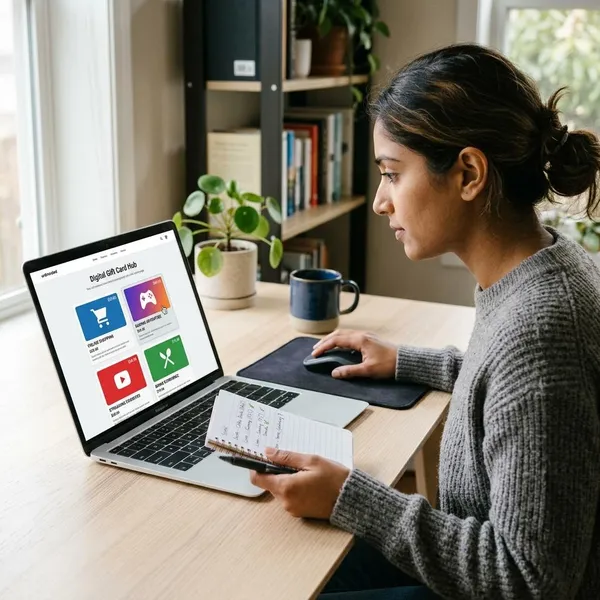
Gift card vendors sell digital or physical cards, handle delivery, and often provide support around brand selection, redemption rules, order tracking, and regional availability. Some vendors sell cards directly from brands, while others act as marketplaces or business gifting platforms.
- They make it easier to find cards from multiple brands in one place.
- They can send cards by email, SMS, link, app, mail, or dashboard campaign.
- They may support personal gifts, employee rewards, customer incentives, or large bulk orders.
- They should explain fees, limits, delivery timing, and redemption rules before checkout.
Sell digital or physical gift cards
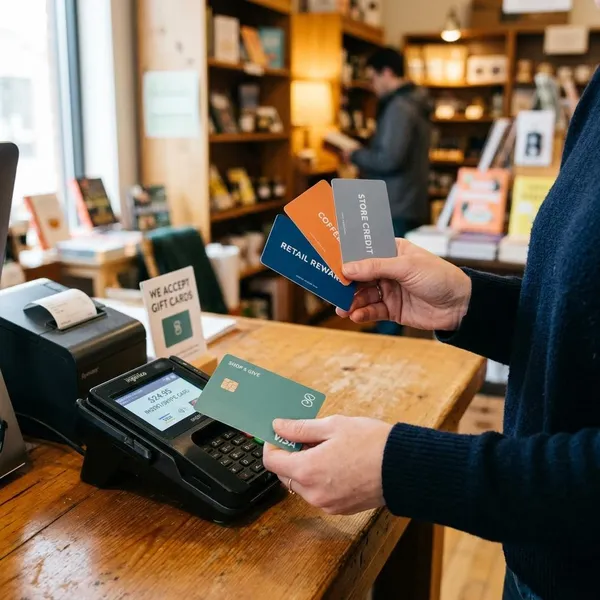
Most vendors sell digital cards, physical cards, or both. Digital cards are sent by email, text, app notification, or shareable link, while physical cards are mailed to the buyer or recipient.
Digital cards are usually better for speed and remote delivery. Physical cards still work well when presentation matters, but they add shipping time, packaging costs, and the risk of delivery problems.
Deliver cards to one person or many
Some vendors are built for one-time personal gifts, while others are designed for bulk sending. A simple consumer checkout may be enough for birthdays or thank-you gifts, but business campaigns usually need more control.
| Sending need | Useful vendor feature | Why it matters |
|---|---|---|
| One recipient | Fast checkout and delivery confirmation | The buyer needs a simple purchase and proof the gift was sent. |
| Small group | Multiple recipients and scheduled delivery | The sender can manage several gifts without repeating the same order. |
| Large campaign | CSV upload, reporting, and tracking | Teams need fewer manual errors and better visibility. |
Support brands, regions, and budgets
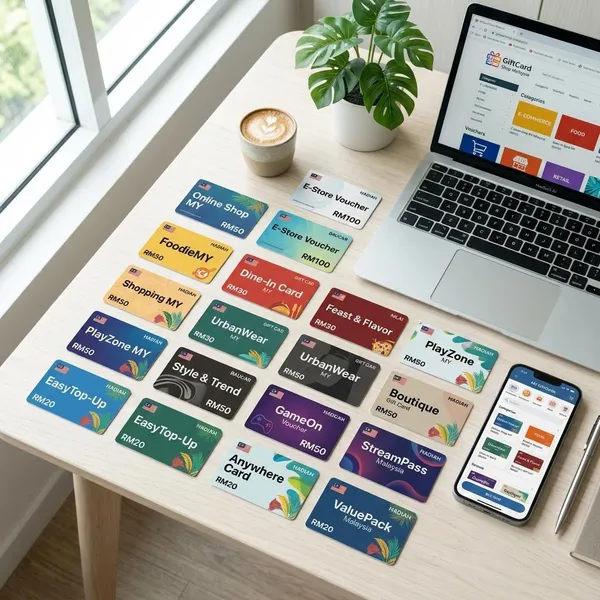
A vendor is only useful if the cards match the recipient's real location and shopping habits. A large catalog can still be weak if the available brands are not redeemable where the recipient lives.
- Check whether the card works in the recipient's country or currency.
- Compare the final checkout price, not only the face value.
- Look for minimum order rules, service fees, or delivery charges.
- Choose local brands when global cards are less practical for the recipient.
Main types of gift card vendors
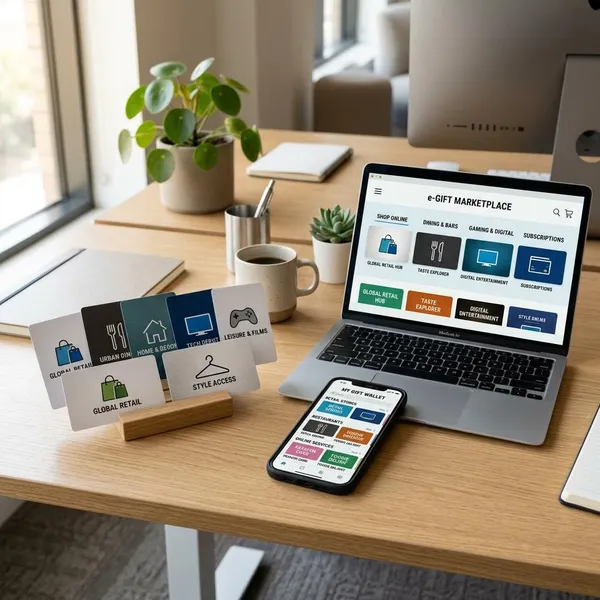
Gift card vendors differ by the problem they solve. Some are best for teams, some for brand variety, some for discounts, some for crypto payments, and some for local markets.
| Vendor type | Best for | Main advantage | Watch out for |
|---|---|---|---|
| Bulk gifting platforms | Teams and business campaigns | Recipient uploads, tracking, and reporting | Minimum orders or account setup requirements |
| Marketplaces | More brand choice | Many merchants in one checkout flow | Regional relevance and redemption limits |
| Deal sites | Lower prices | Discounted cards or comparison options | Seller quality, terms, and availability |
| Crypto vendors | Digital asset payments | Spend crypto through gift card purchases | Network fees, volatility, and refund limits |
| Local vendors | Regional brands and domestic users | Better fit for local shopping behavior | Smaller catalogs or limited cross-border use |
When digital gift card vendors work better
Digital gift card vendors work better when timing, remote delivery, order visibility, and scale matter. They remove many problems that come with physical cards, such as shipping delays, address mistakes, lost envelopes, and hard-to-track delivery.
| Digital advantage | Best use case | What to check |
|---|---|---|
| Faster delivery | Last-minute gifts and instant rewards | Whether delivery is instant, scheduled, or delayed by review |
| Easier bulk sending | Employee, customer, and event campaigns | Recipient upload, message control, and delivery limits |
| Better order tracking | Repeat purchases and business reporting | Sent, delivered, opened, redeemed, or resend status |
| Less risk of lost cards | Remote recipients and high-volume sending | Recovery, resend, and support options |
Faster delivery
Digital cards are often sent within minutes, which makes them useful for urgent gifts, quick thank-you messages, remote recipients, and reward campaigns tied to recent actions.
Speed still depends on the vendor. High-value orders, new accounts, fraud checks, or unsupported regions can delay delivery, so buyers should read the estimated timing before checkout.
Easier bulk sending
Digital vendors make bulk sending easier because buyers can upload recipients, assign values, schedule messages, and send from one dashboard. This reduces manual work and lowers the risk of address or order mistakes.
For businesses, this matters more than presentation. HR teams, customer success teams, sales teams, and event organizers often need repeatable delivery, not stacks of physical cards.
Better order tracking
Digital order tracking gives buyers more visibility after purchase. A strong vendor may show whether a card was sent, delivered, opened, redeemed, or eligible for resend.
- Personal buyers can confirm the recipient received the gift.
- Business buyers can monitor campaign performance.
- Support teams can resolve delivery issues faster when logs are available.
Less risk of lost cards
Digital cards avoid postal loss, damaged packaging, and physical misplacement during shipping. If the recipient cannot find the card, the vendor may be able to resend a link or confirm the original delivery status.
Digital delivery still needs care. Buyers should check the recipient's email or phone number, use reputable vendors, and make sure redemption instructions are clear.

Conclusion
The best gift card vendors are the ones that match the buying situation. Personal buyers should focus on brand relevance, delivery speed, final price, region, and clear redemption terms. Business buyers should look more closely at bulk tools, recipient choice, tracking, reporting, support, and invoice handling.